Top Rated 81.38 Where to stay — pick your vibe
View full guide →
★ New on the map
Recently added in Nice
Hotel Le Grimaldi by Happyculture
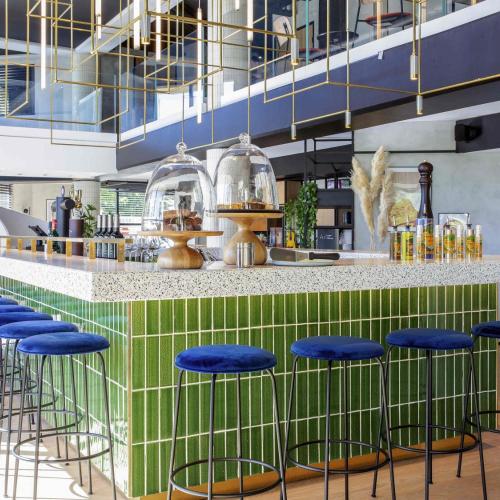
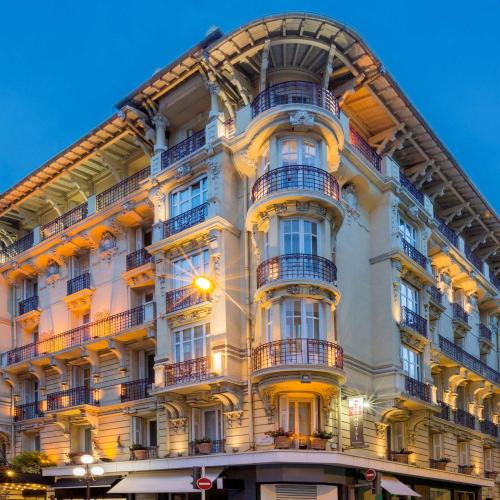
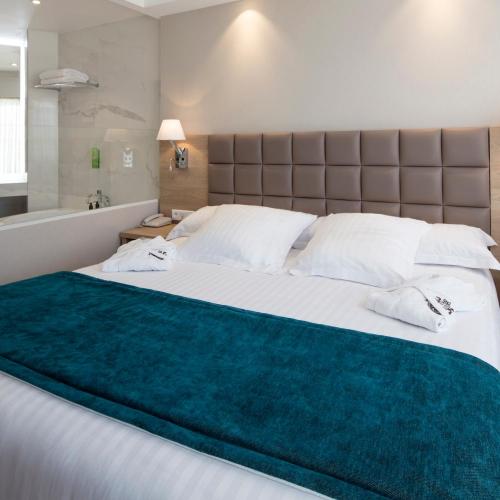
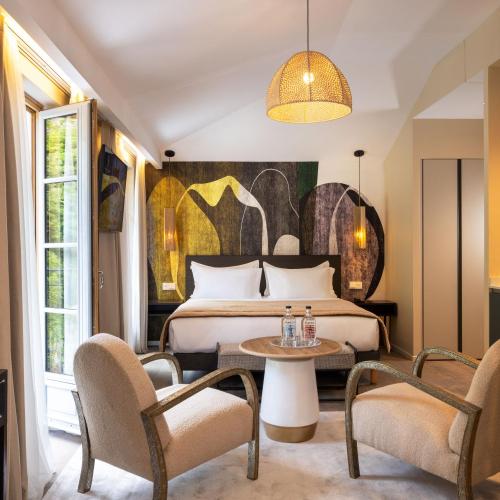
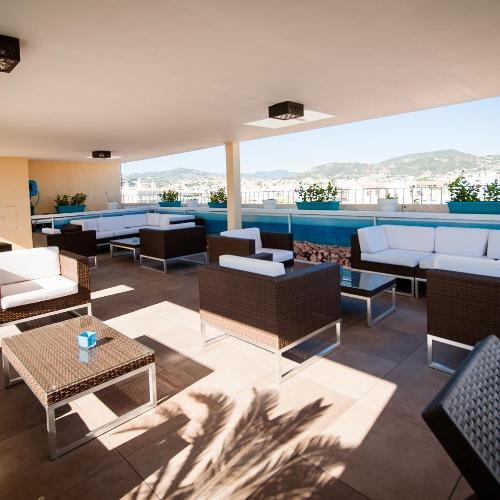
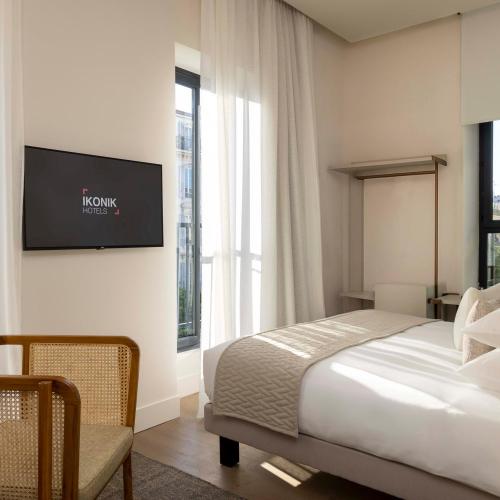
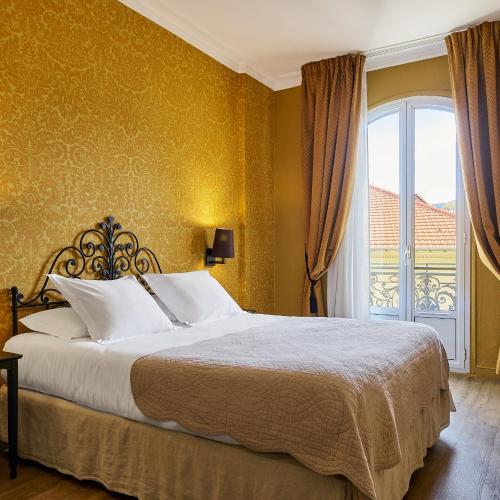
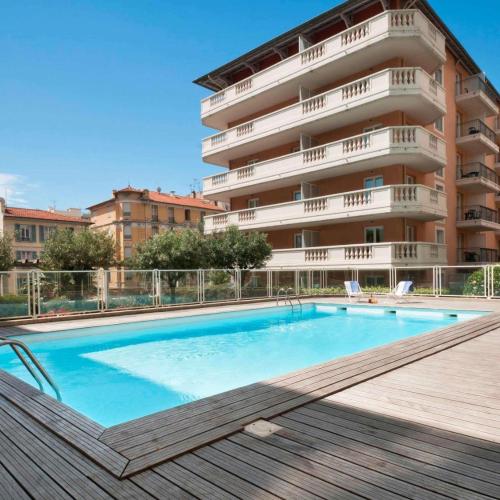
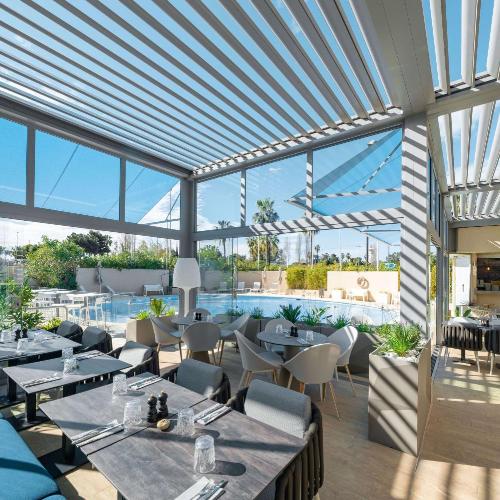
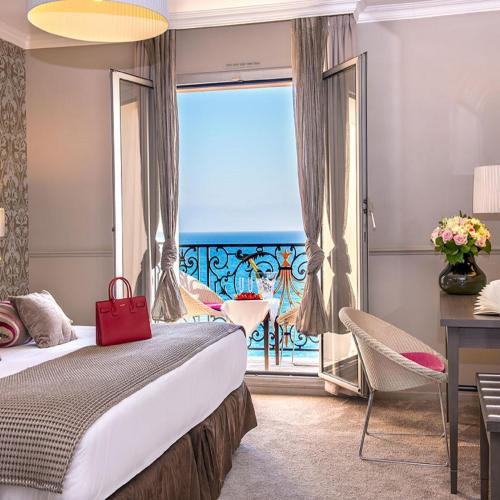
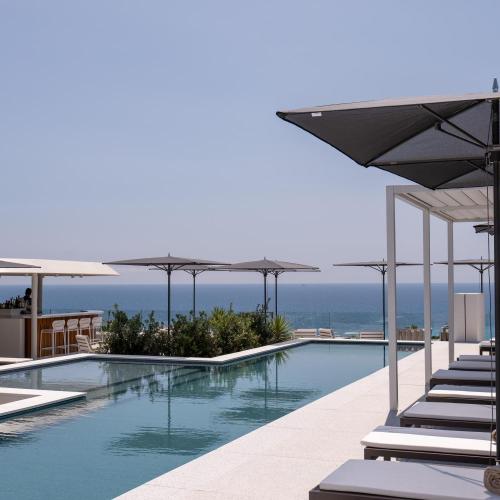
There's a particular kind of property that travellers keep coming back to in Nice: Hotel Le Grimaldi by Happyculture, a four-star in Nice City Centre, fits that bill. The setting is part of the appeal, barely a stroll fr…
Top hotels in Nice
Our best picks
Cut through the list — the strongest choice for each type of stay.
Why Nice works today
Nice has always held a special position on the French Riviera, but in recent years it has become even more relevant for international travelers. Unlike destinations that rely purely on luxury or exclusivity, Nice has evolved into a city that balances accessibility, authenticity and quality of life. This shift has made …
The city benefits from a strong infrastructure. The airport is located just minutes from the center, and the tramway now connects the airport directly to key parts of the city. This means that arriving in Nice is far simpler than in many comparable destinations. For a short trip, this ease of access is a major advantage. It allows visitors to maximize their time without dealing with long transfers or complicated logistics.
But what really defines Nice today is not just convenience — it is the atmosphere. The city sits between the sea and the hills, creating a natural structure where most areas are either within walking distance of the beach or connected through a straightforward transport system. This creates a sense of fluidity: you can move between neighborhoods, the old town, and the waterfront without effort.
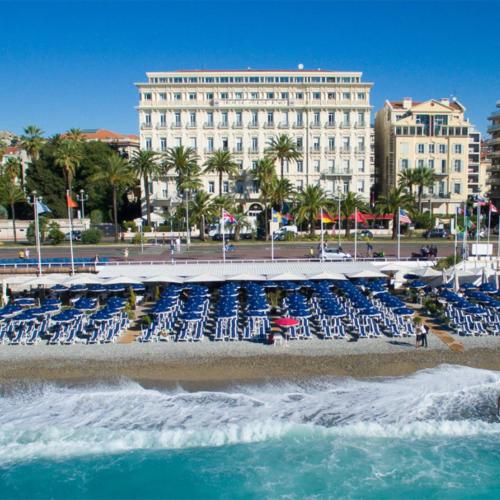
The Promenade des Anglais remains the visual backbone of the city. It is one of the most recognizable seafronts in Europe, offering long views across the Mediterranean. Staying nearby gives immediate access to the beach and a strong sense of place. However, this comes with trade-offs. Prices are higher, and during peak season the area can feel busy. For some travelers, the experience is worth it. For others, staying slightly inland provides better value without losing accessibility.
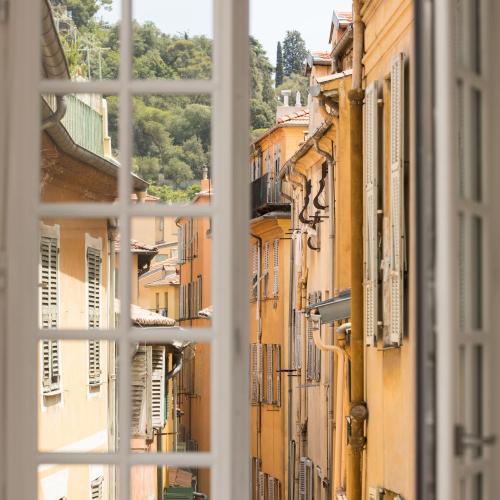
Old Town, or Vieux Nice, is another defining part of the city. It offers narrow streets, restaurants, markets and a lively atmosphere that contrasts with the open space of the seafront. It is often the most attractive area for first-time visitors because it feels authentic and vibrant. But it is important to understand that it can also be noisy, especially in the evening. Choosing this area means prioritizing atmosphere over calm.
Beyond these central zones, Nice reveals a more local side. Areas like Liberation or Gambetta provide a different experience: less polished, more residential, and often more affordable. These neighborhoods are not typically highlighted in traditional travel guides, but they are increasingly attractive to travelers who want to control their budget while still staying within reach of the center.
Cimiez offers yet another perspective. Located slightly above the city, it is quieter and more residential. It is not the obvious choice for a first visit, but it works well for families or travelers who prefer a slower pace. It also highlights an important aspect of Nice: the city is not just a tourist destination, it is a place where people live, and choosing the right area can help you experience that balance.
One of the main advantages of Nice compared to other Riviera destinations is flexibility. You can treat it as a base to explore nearby locations such as Cannes, Monaco or smaller coastal towns. The train network makes this easy, and many travelers use Nice as a hub rather than a standalone destination. This increases its value significantly, especially for longer stays.
However, there are also common mistakes. One of the most frequent is underestimating the impact of seasonality. Nice becomes significantly more expensive in summer, and the difference between booking early and late can be substantial. Another mistake is choosing a hotel too far from the center without understanding transport options. While the city is well connected, being too far can reduce the convenience that makes Nice attractive in the first place.
Another factor to consider is building quality. Many hotels are located in older buildings, which means that insulation, elevators or air conditioning may vary. This is particularly important in summer, when temperatures can rise and comfort becomes a key part of the experience. Reading between the lines of hotel descriptions is often necessary.
Ultimately, Nice works best when you align your location with your priorities. If you want beach access and views, the seafront is the natural choice. If you want atmosphere and energy, Old Town is the right direction. If you want value and balance, slightly more local neighborhoods offer better trade-offs.
What makes Nice particularly appealing today is that it does not force a single type of experience. It allows travelers to adjust their stay based on budget, pace and expectations. This flexibility, combined with strong infrastructure and a distinctive setting, is what makes Nice one of the most reliable destinations on the French Riviera.
Find your perfect spot in Nice
Neighborhoods, hotel scores and editorial picks — all in one place.
Country
France
Hotel Map — Nice
Hotels in Nice
View all 23 hotels →Scored on reputation, price, and location
Top Rated 81.38
Best Location 74.87
Best Location 73.93
Well Reviewed 73.18
Top Rated 72.93
Great Value 71.93
Well Reviewed 71.83
Well Reviewed 70.95
Top Rated 70.84 Neighborhoods — honest take
How each area actually feels, who it fits, and the trade-offs.
Vieux Nice (Old Town)
- Everything walkable
- Best food density in the city
- Direct access to the sea
- Loud until late
- Rooms are often small and dark
- Premium prices on weekends
The default pick if you are here for two or three nights. Keep your suitcase small — the streets are cobbled and most buildings have no elevator.
Carré d'Or / Jean-Médecin
- Largest hotel inventory
- Tram connects station, Old Town and Riquier
- Quieter than Vieux Nice at night
- Less atmospheric
- Fewer evening restaurants
Where most 3- and 4-star hotels sit. A safe, slightly bland pick — good if you value comfort over charm.
Promenade des Anglais (seafront)
- Direct beach access
- Postcard views
- Home to the grand hotels (Negresco, etc.)
- Traffic noise on the front rooms
- Rooms facing the street are a poor deal
- Expensive
Worth it for one special night or a sea-view balcony. Otherwise you overpay for the address.
Musicians Quarter (Quartier des Musiciens)
- Flat and stroller-friendly
- 5–10 minutes to the beach
- Better value than the seafront
- Quiet in the evenings
- Few restaurants nearby
The quietly underrated pick. Especially good with kids or when you plan to cook in.
Port of Nice
- Scenic
- Ferries to Corsica
- More authentic dining
- Further from the main beach (15-min walk or short tram/bus)
- Hills on the east side
A good second-visit choice, especially if you already know Vieux Nice.
Cimiez
- Residential calm
- Museums and olive groves
- Requires bus or taxi to the sea
- Few dinner options
Pick it only if you are happy not being at the beach by default.
Hotel picks, in context
Why each pick makes sense — who it's for, one honest strength, one honest trade-off.
Hotel Negresco
Worth a splurge for the address and the sea-view rooms. Not a good fit if you expect a modern 5★ standard.
- Iconic Belle Époque landmark
- Direct seafront with the best views in the city
- Very expensive for what you get inside
- Service can feel stiff — this is tradition, not modern hospitality
Hôtel La Pérouse
One of the most atmospheric picks in Nice. Choose a sea-view room or skip it — inward rooms don't justify the rate.
- Tucked into the cliff under Colline du Château
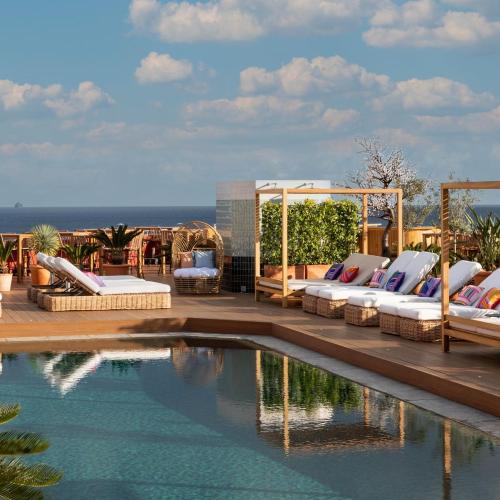
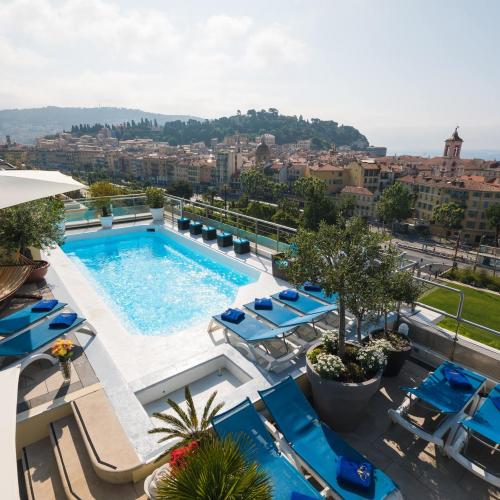
- Quiet terrace pool, rare in central Nice
- No direct beach — you cross the road and use the public one
- Premium pricing
Hôtel Aston La Scala
The most reliable value choice for a first visit. Ask for a renovated room when booking.
- Well-located between Vieux Nice and Jean-Médecin
- Rooftop bar with real skyline views
- Standard rooms are compact
- Building noise from Place Masséna at weekends
Boscolo Exedra Nice
Pick it if you value the spa and a proper room over proximity to the beach.
- Large spa and indoor pool — unusual in the city
- Modern rooms, good beds
- A 10-minute walk from the sea
- Breakfast is overpriced — eat out instead
Best hotels in Nice at a glance
Our top picks based on score, reviews, and value
All Scored Hotels in Nice
23 hotels with scores, reviews, and prices
Top hotel matchups in Nice
Our most useful hotel-vs-hotel comparisons
Local insights — what visitors often miss
- Booking too far from the center.
- Ignoring summer price increases.
- Choosing Old Town without expecting noise.
- Staying slightly inland can reduce costs significantly.
- Nice is easy to explore on foot.
- The tram connects the airport to the city center.
- Public transport is reliable and simple.
- Summer is expensive and busy.
- Shoulder seasons offer better value.
Frequently asked questions
+ How many days do you need in Nice?
Two to three full days are enough for the city itself. Add one or two for day trips to Monaco, Èze, Antibes or Cannes — Nice is the cleanest base for all of them.
+ Is Nice better than Cannes for a hotel base?
For most trips, yes. Nice has more hotel inventory across price levels, direct rail access to every Riviera town, and a real old town. Cannes is better only if your trip is structured around the Croisette.
+ Are Nice beaches sandy?
No. They are pebbles, which means no sand in your bag but water shoes are a real upgrade. The only sandy beach in the area is in Villefranche-sur-Mer, 10 minutes by train.
+ Do I need a car in Nice?
No — and it is actively inconvenient. The tram plus regional trains cover the city and the Riviera. Rent only if you plan to drive the arrière-pays (Gorges du Verdon, hilltop villages).
+ Is it safe at night?
Vieux Nice and the main tourist areas are safe and busy late. The train station area and the western end of the Promenade after midnight are less pleasant — take a taxi if in doubt.